The staircase is often one of the first architectural features people notice when they enter a home. While it serves the practical purpose of connecting different levels, it also has the power to shape the entire character of an interior. A thoughtfully designed staircase can transform an ordinary space into one that feels elegant, modern, or timeless, depending on the homeowner’s vision. Custom Stairs and Railings offer an opportunity to combine craftsmanship with functionality, creating a feature that enhances both everyday living and long-term property value. Understanding the benefits of custom stairs and railings helps homeowners make informed decisions when planning a renovation or building a new home.
What Are Custom Stairs and Railings?
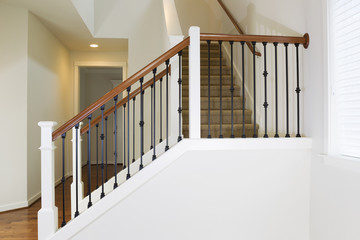
Custom stairs and railings are stair systems that are designed and fabricated to meet the specific dimensions, style, and functional needs of a property. Unlike prefabricated options that come in standard sizes and limited designs, custom staircases are tailored to complement the home’s architecture and interior layout. Every element, including the staircase configuration, railing style, handrails, balusters, and decorative details, can be selected to create a cohesive appearance. This personalized approach allows homeowners to achieve a unique design that reflects their preferences while meeting practical requirements.
Customization also allows greater flexibility when working with unusual floor plans or architectural challenges. Homes with open layouts, curved staircases, loft spaces, or multi-level living areas often benefit from solutions that cannot be achieved using standard stair components. Custom fabrication provides the freedom to adapt the staircase to the available space rather than forcing the space to fit predetermined dimensions. As a result, the finished staircase often appears more integrated into the home’s overall design. This level of personalization contributes to both visual harmony and functional efficiency.
Why Do Homeowners Choose Custom Stairs and Railings?
One of the primary reasons homeowners choose custom stairs and railings is the opportunity to create a distinctive focal point within the home. Because staircases often occupy highly visible areas, they naturally attract attention and influence the overall impression of the interior. A custom design allows the staircase to complement surrounding architectural features while adding personality and visual interest. Whether the goal is a clean contemporary appearance or a more traditional design, customization allows homeowners to achieve a result that feels intentional and unique. Every design choice contributes to a staircase that reflects individual style.
Custom stair systems also provide greater flexibility than standard alternatives. Homeowners can select materials, finishes, colors, railing patterns, and architectural details that coordinate with flooring, lighting, wall finishes, and surrounding décor. Instead of settling for limited design options, they can create a staircase that blends naturally with the rest of the home. This level of coordination helps produce an interior that feels balanced and professionally designed. The ability to personalize every detail remains one of the greatest advantages of custom fabrication.
What Materials Are Commonly Used for Custom Stairs and Railings?
Custom staircases can incorporate a wide variety of materials depending on the desired appearance and architectural style. Metal remains one of the most popular choices because it offers exceptional strength while supporting both simple and decorative designs. Metal railings can feature sleek horizontal lines, vertical balusters, geometric patterns, or intricate ornamental details that suit nearly every style of home. Their versatility allows them to complement modern, industrial, transitional, and traditional interiors equally well. Metal also performs exceptionally well under everyday use.
Wood continues to be another timeless material for stair construction because it introduces warmth and natural character into the home. Depending on the design, wood may be used for stair treads, handrails, or decorative accents alongside metal railings. Glass panels have also become increasingly popular in contemporary homes because they allow natural light to pass through the staircase while creating an open appearance. Combining multiple materials often produces a sophisticated design that balances warmth, durability, and modern elegance. Each material contributes unique qualities to the overall finished staircase.
How Do Custom Stairs and Railings Improve Interior Design?
A custom staircase creates visual continuity by connecting multiple areas of the home through a consistent architectural style. Since staircases often occupy central locations, their design influences how surrounding rooms relate to one another. Carefully selected railings, finishes, and materials help establish a cohesive appearance that extends throughout the interior. Rather than functioning solely as a structural necessity, the staircase becomes an intentional design feature that enhances the home’s character. This architectural consistency contributes to a more polished and inviting environment.
Custom railings also help define the atmosphere of a space. Minimalist metal railings emphasize openness and clean lines, making them especially suitable for contemporary interiors. Decorative metalwork or detailed wood craftsmanship can introduce elegance and traditional charm to more classic homes. The staircase becomes a visual transition between different living areas while reinforcing the overall design theme. Every detail, from the shape of the handrail to the finish applied to the balusters, contributes to the room’s final appearance.
Are Custom Stairs and Railings Built to Last?
Durability is one of the strongest advantages of custom stair systems. Because they are designed specifically for the property, each component is fabricated to fit accurately and perform reliably over time. High quality materials combined with precise craftsmanship create staircases capable of handling the demands of everyday use. Unlike mass-produced systems that may require adjustments to fit certain spaces, custom fabrication allows each element to work together as intended. This careful approach contributes to long-term structural performance.
Routine maintenance also helps preserve custom stairs and railings for many years. Regular cleaning removes dust and everyday residue while protecting finished surfaces from unnecessary wear. Periodic inspections of handrails, fasteners, and connections allow homeowners to identify minor issues before they become larger concerns. Proper care helps maintain both appearance and structural integrity throughout the life of the staircase. Investing in quality craftsmanship often results in decades of dependable performance.
How Can Custom Staircases Improve Home Value?
Architectural features often influence how people perceive the quality of a home, and custom staircases are no exception. A beautifully crafted staircase immediately attracts attention and creates a memorable first impression for visitors and prospective buyers. Because staircases occupy such prominent locations, their appearance contributes significantly to the overall character of the property. A well-designed custom staircase often reflects careful planning and quality craftsmanship throughout the home. These visual cues can enhance overall property appeal.
Custom stairs and railings also represent a long-term investment because of their durability and timeless design. Unlike decorative trends that may change quickly, quality craftsmanship remains attractive across changing styles and generations. Homeowners benefit from an architectural feature that continues providing both beauty and functionality long after installation. The combination of aesthetics, structural performance, and personalization often supports stronger long-term value. Many buyers appreciate distinctive architectural details that help a home stand apart from others.
What Should Homeowners Consider Before Choosing a Custom Stair Design?
Planning begins with evaluating how the staircase will function within the home’s overall layout. The available space, ceiling height, traffic flow, and surrounding architectural features all influence the most appropriate staircase design. Homeowners should also consider whether they want the staircase to become the primary focal point or blend more subtly into the surrounding interior. Establishing these priorities early helps guide design decisions throughout the project. A thoughtful plan creates a more cohesive final result.
Material selection, railing style, and long-term maintenance should also be considered carefully. Families with children or older adults may prioritize comfortable handrails and secure baluster spacing, while homeowners focused on contemporary design may prefer open layouts and minimalist detailing. Balancing safety, appearance, and functionality ensures the finished staircase serves both practical and aesthetic purposes. Working toward a design that reflects personal style while meeting everyday needs creates lasting satisfaction. Careful planning allows homeowners to enjoy a staircase that remains beautiful and functional for many years.
Final Thoughts
Custom stairs and railings offer homeowners the opportunity to transform a functional architectural element into one of the most impressive features of the home. By combining personalized design, quality materials, skilled craftsmanship, and thoughtful planning, a custom staircase enhances both visual appeal and everyday usability. Whether the preferred style is modern, traditional, industrial, or transitional, custom fabrication provides the flexibility to create a staircase that complements the home’s unique character. Along with improved durability and long-term value, custom stairs and railings contribute to an interior that feels cohesive, elegant, and welcoming. Investing in a well-designed staircase is an investment in both the beauty and functionality of the home for years to come.